





A polyglot is someone who can use several languages. The term is popular among language learners, and most dream of becoming polyglots and becoming fluent in multiple languages. What is a polyglot, more exactly? How many languages do you have to know to qualify as a polyglot? What are the secrets of learning different languages? We’re about to find all the answers.
The Meaning of "Polyglot"
A polyglot is someone who actively uses multiple languages. The word comes from Greek, "polu" meaning multiple, and "glôtta," standing for language. Polyglots can understand and speak a language, but also read and write in certain contexts. Polyglots may know one language better than others. They can use them in different situations, such as professionally, in social contexts, while traveling, and more. For that reason, it is challenging to assess their linguistic abilities.
Polyglots, Bilinguals, and Multilinguals
Language learning terms are often a subject of debate, and "polyglot" is no exception. It overlaps with "multilingual," and it begs the question, "What is the difference between the two?"
The term "multilingual" refers to anyone who speaks more than one language. "Bilingual" describes a person who uses two languages at the same proficiency level. One is their mother tongue, and the other is a new language they are exposed to at an early age. Common examples are parents speaking different languages or immigrants speaking their native language at home. A bilingual person regularly speaks both languages fluently. However, they may be used in different contexts.
Historically, the term "polyglot" meant someone who used more than two languages. However, in certain areas, locals use up to 5 languages for their daily communication, so the term needed to be redefined.
Historically, the word "polyglot" referred to anyone who could speak more languages, without a fixed number in mind. The issue was that in many parts of the world, such as Africa, India, or Papua New Guinea, using three to five languages in daily life is completely normal. Because this kind of multilingualism is common and usually learned naturally, it is no longer seen as remarkable. As a result, linguists and language enthusiasts began using the term "polyglot" to describe people who intentionally learn many languages, usually five or more. These languages are studied by choice, not just picked up through everyday life. That dedication to the process is what differentiates them from multilinguals.
Another term that sometimes appears is "hyperpolyglot." That is an informal label for people who speak a very high number of languages, often six or more. The term is popular in language-learning communities but is not used in academic linguistics.
How Many Languages Do Polyglots Speak?
There is no official number of languages required for a person to be considered a polyglot. Some sources state that three languages are enough to meet the requirements, while others reserve the term for speakers of four or more languages. However, these differences are based on social convention rather than scientific rules.
From a linguistic perspective, the number of languages matters less than how they are used. A person who can hold conversations in three languages may function more effectively than someone who knows basic phrases in six. Researchers, therefore, focus on functional ability rather than counting languages. In most cases, if you can easily switch between three languages at the same time, you will be called a polyglot or a multilingual.
How Polyglots Learn Languages
Surprisingly, polyglots are not usually born with a special ability for languages. Research shows that their success is linked to learning habits rather than innate talent. One important factor is prioritizing high-frequency vocabulary, known in the industry as the lexical approach to language learning. The most common words in a language cover most everyday communication, making them more useful than rare or specialized terms.
Another secret of people who speak multiple languages is early and active use of the language. Polyglots often start speaking, listening, and reading as soon as possible, even if their grammar is not perfect. That gives them a head start in terms of communication.
Time management also plays an important role. Short, frequent study sessions are more effective than long and irregular ones. Many polyglots build language learning into their daily routine, which helps maintain steady progress over time.

Speak a new language with confidence!
Build fluency faster with FunEasyLearn — just 10 minutes a day is enough to make real progress.
Top Polyglots' Secrets
Many common ideas about polyglots come from media portrayals rather than research. That's why there are many myths about the subject, and it's hard for most to accept that multilingual ability develops over time, not as exceptional or effortless. To become a polyglot or reach a high level of proficiency in the target language, pick up the experts' secrets.
Using mnemonics
Mnemonics are memory tricks that help you remember information more easily. The technique is widely used by famous polyglots when learning another language. Learners imagine a funny, exaggerated cartoon in their mind and connect it to the new word or sentence, making it easier to remember. The goal is to create a memorable image that makes you smile. Ukrainian polyglot Valery Kurinsky (40+ languages) uses a similar approach, calling it “association up to a smile.”
Reactivating forgotten languages
Whether we like it or not, languages weaken when they are not used. Research shows that language skills decline over time without regular practice. Polyglots are no exception, but they have a secret - reactivate languages when needed rather than maintaining all of them at the same level all the time. What they do is immerse themselves in the target culture by interacting with native speakers, watching YouTube channels by natives, and reviewing vocabulary. For faster results, combine more types of exercises in the process of learning.
Different methods for different languages
Polyglots adjust their study habits depending on the language. For tonal Asian languages, they focus on copying sounds and tones (phonetic shadowing), while for highly inflected languages like Slavic ones, they focus on breaking down grammar rules. This way, they spend their effort where it helps most.
Listening more than you think you should
Richard Simcott (50+ languages) recommends extended passive listening to the radio and podcasts for hours daily, without speaking, to build familiarity with a language’s rhythm, idioms, and intonation before active practice begins. The tip is especially relevant to those who want to learn Mandarin or other tonal languages.
Regular reviews
Going back to the words and sentences you learned is key. Revisiting the material regularly keeps it active. To keep it fresh, you can use the vocabulary in different contexts. That practice strengthens memory and helps you recall vocabulary more easily.
Grouping similar languages
Emil Krebs learned languages in connected groups. First, he used a familiar “bridge” language, such as English for Germanic languages or Russian for Slavic languages. As a result, knowledge from one language could be transferred to others, making learning faster.
Moving while learning
Polyglots like Alexander Arguelles (50+ languages) use rhythmic walking to help them learn languages. By walking while speaking aloud and listening, polyglots activate several memory channels at once, which allows information stick more easily. Another example is Alex Rawlings (15 languages). He learned languages by walking through parks and using paper flashcards. By moving as he studied and reviewing words again and again, he made them easier to remember.
Staying consistent
The best results in language learning come from consistent practice. And those who speak at least one foreign language confirm it. Becoming a polyglot takes consistent effort. However, you don't necessarily have to invest half a day to master another language. In fact, short daily study sessions bring better results over time.
Become a Polyglot with FunEasyLearn
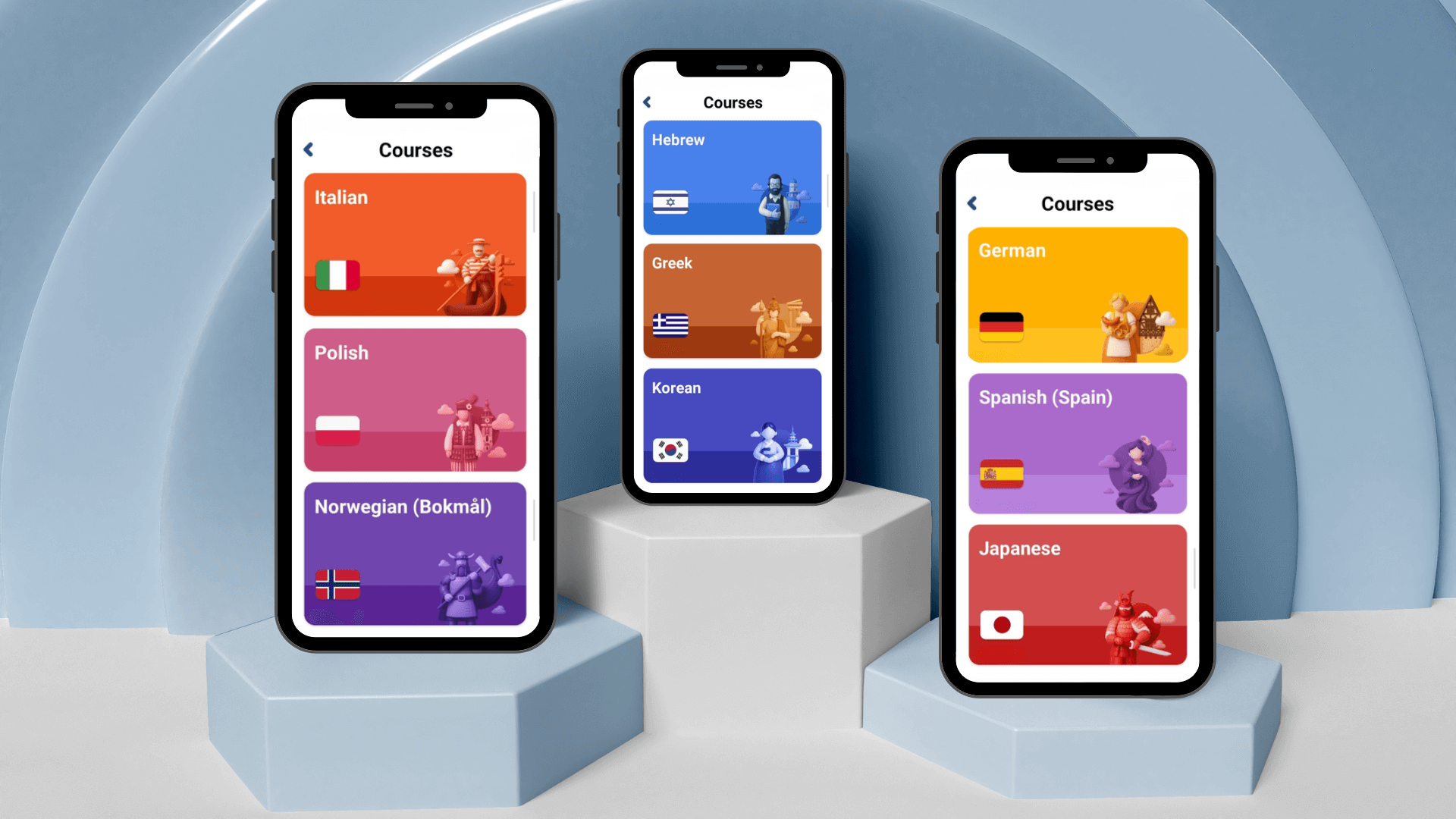
FunEasyLearn is an award-winning language learning app that helps millions of learners master new languages. The app is designed around the lexical approach, prioritizing high-frequency vocabulary. That equips learners with the most useful vocabulary and language skills to communicate more quickly and effectively.
The content is carefully selected by ed-tech professionals, experienced teachers, and certified translators. Specially designed illustrations help learners memorize words and sentences faster. Most active users start to learn two or more.
Key features of the app include the following:
· Over 350 useful topics for daily conversations and more;
· Up to 11 proficiency levels based on the CEFR;
· Review systems that help you memorize the new words and sentences;
· A convenient Hands-free mode to learn languages on the go;
· Favorites - custom lists of words and sentences;
· Offline access to practice languages anytime and anywhere;
· Zero ads to help you focus.
Would you like to become a polyglot?